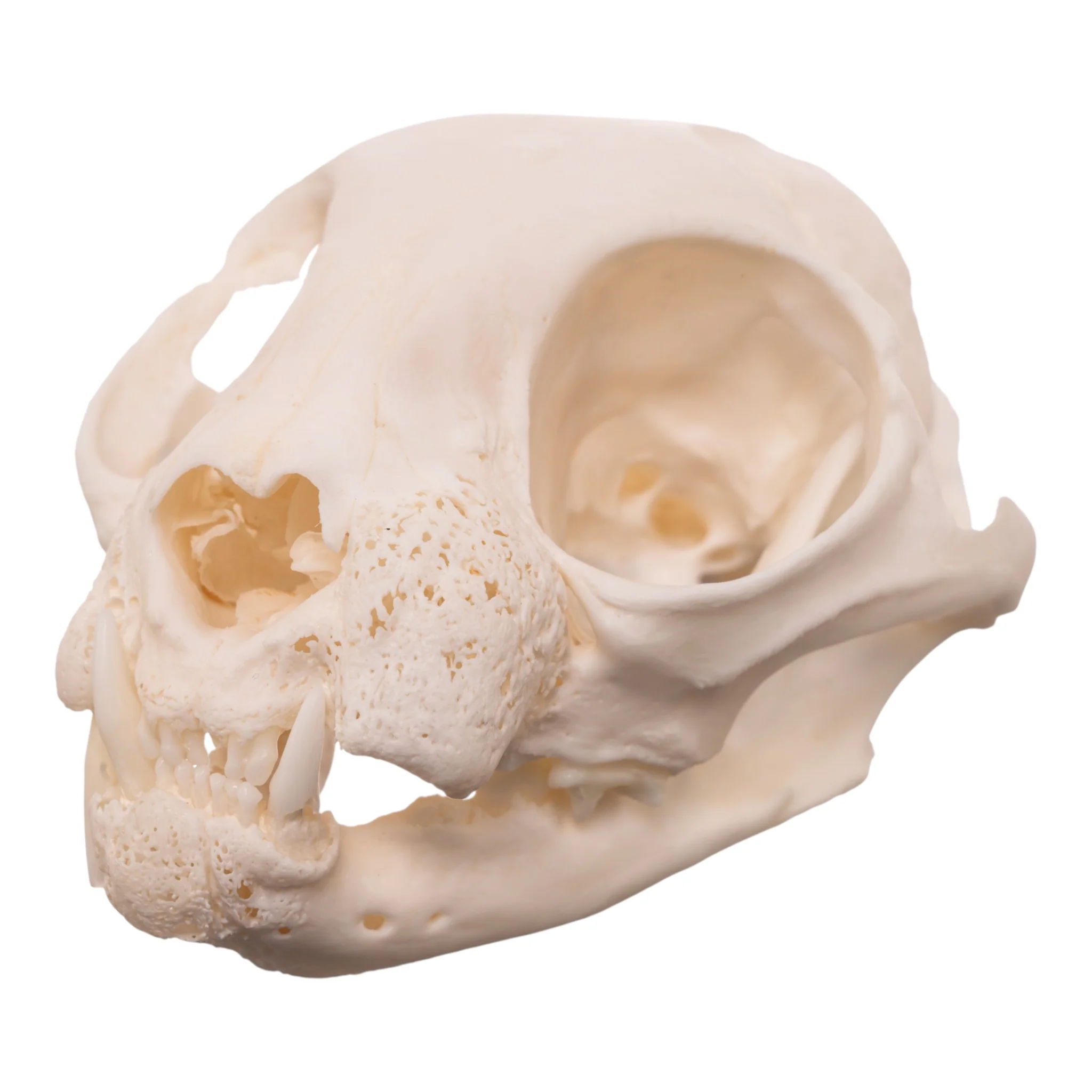
Real Domestic Cat Skull - Pathology
The domestic cat is a small, carnivorous mammal that has been a companion to humans for thousands of years. Known for their agility, curiosity, and independent nature, cats are skilled hunters that use their sharp claws and keen senses to catch prey. While they are often kept as pets for companionship, they also play a role in controlling rodent populations.
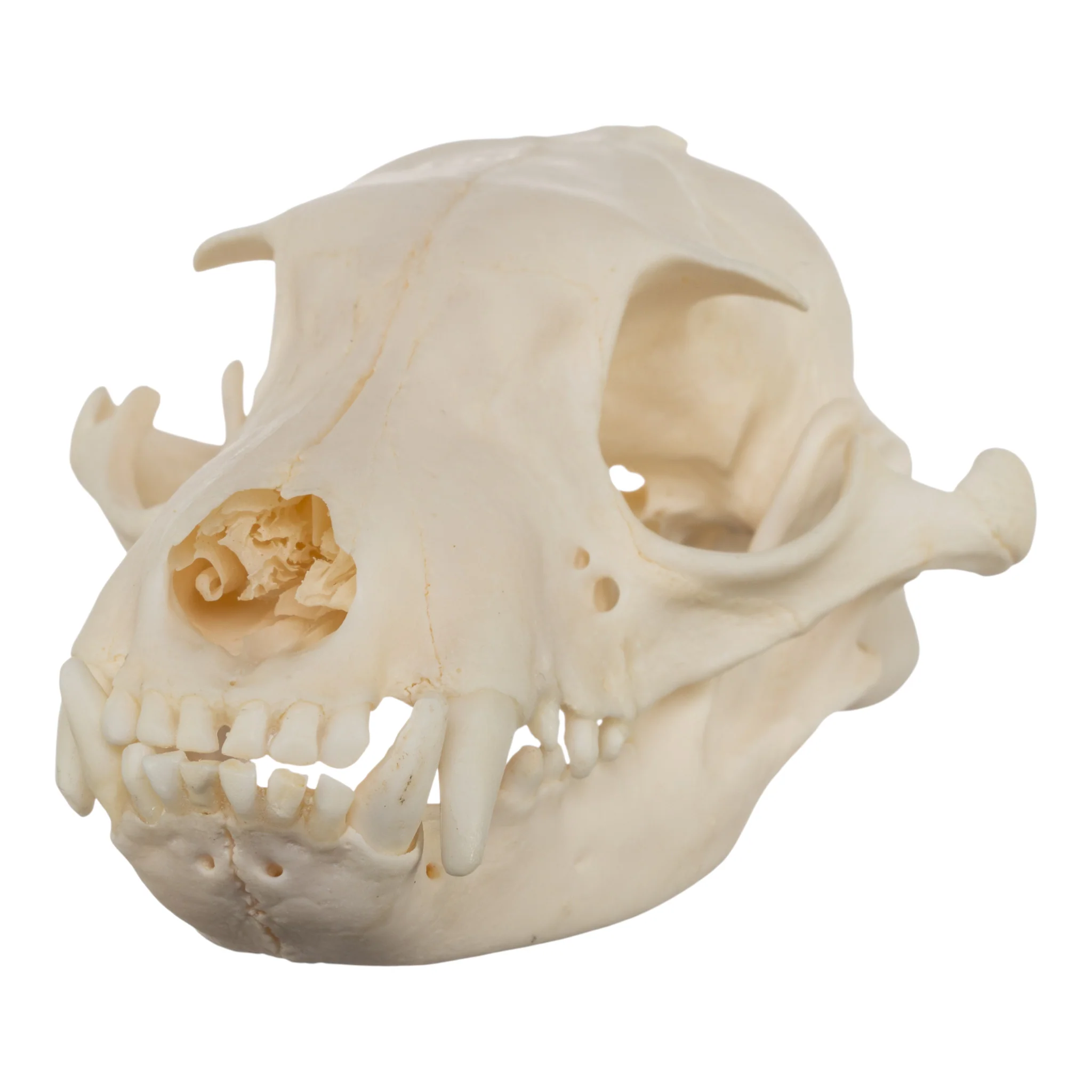
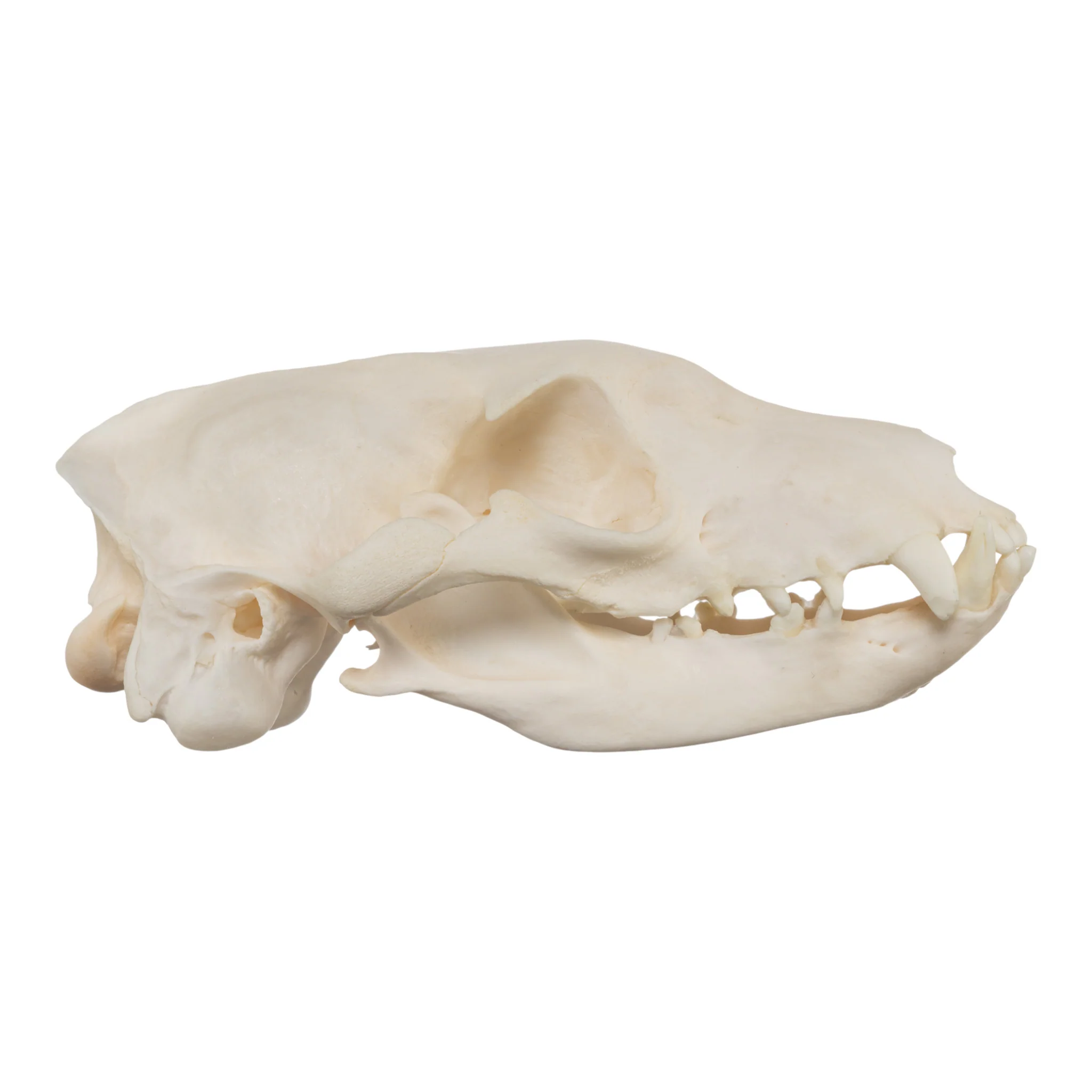
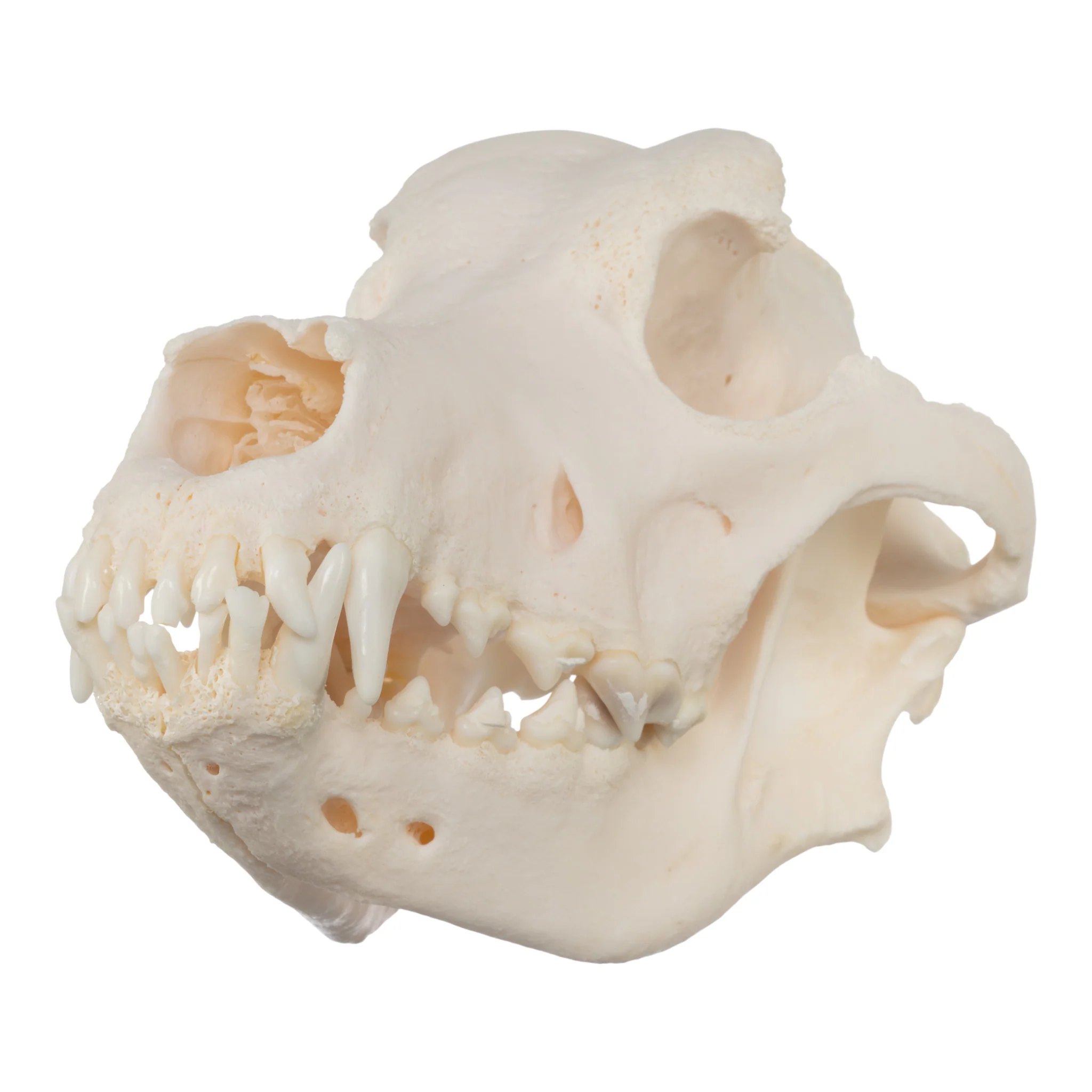
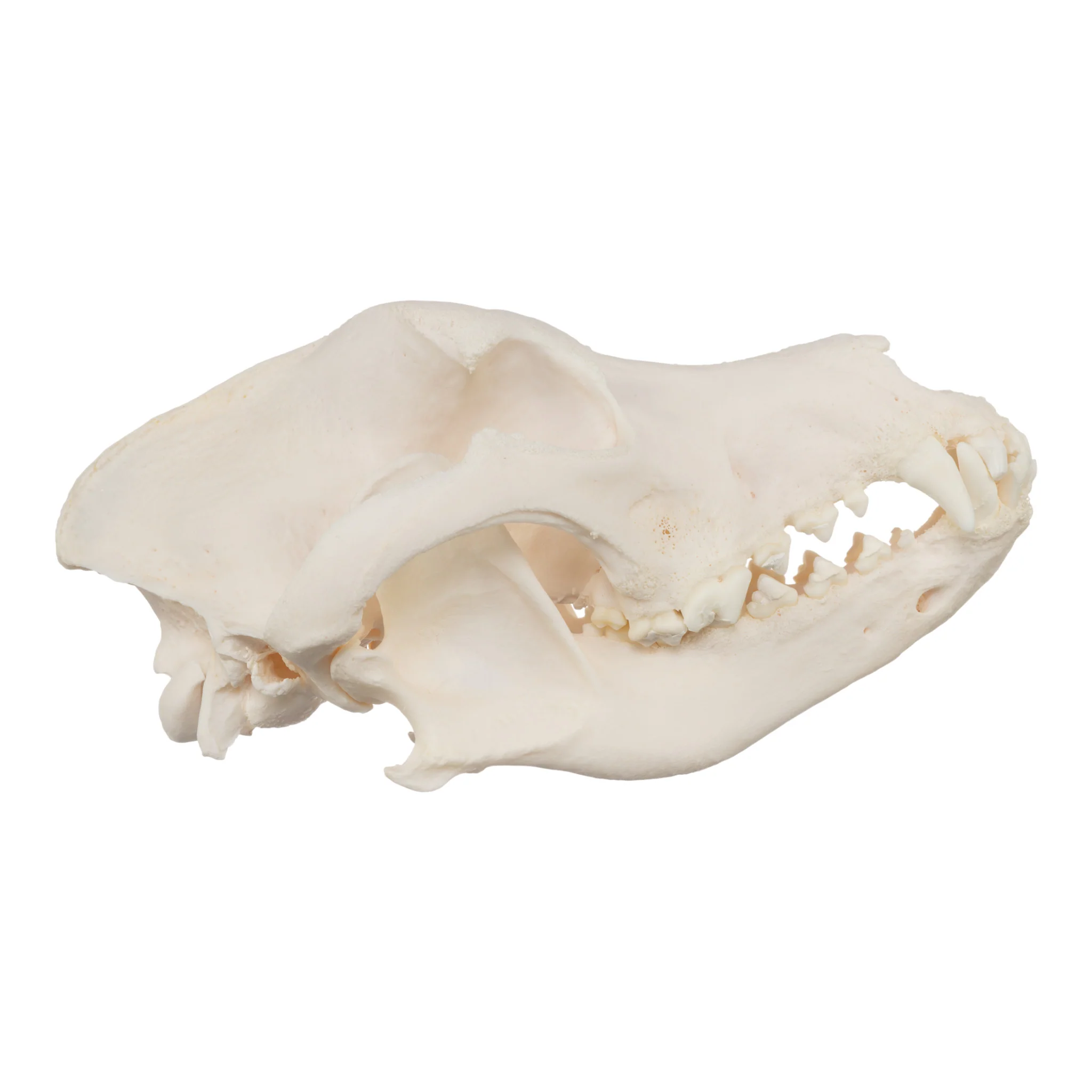
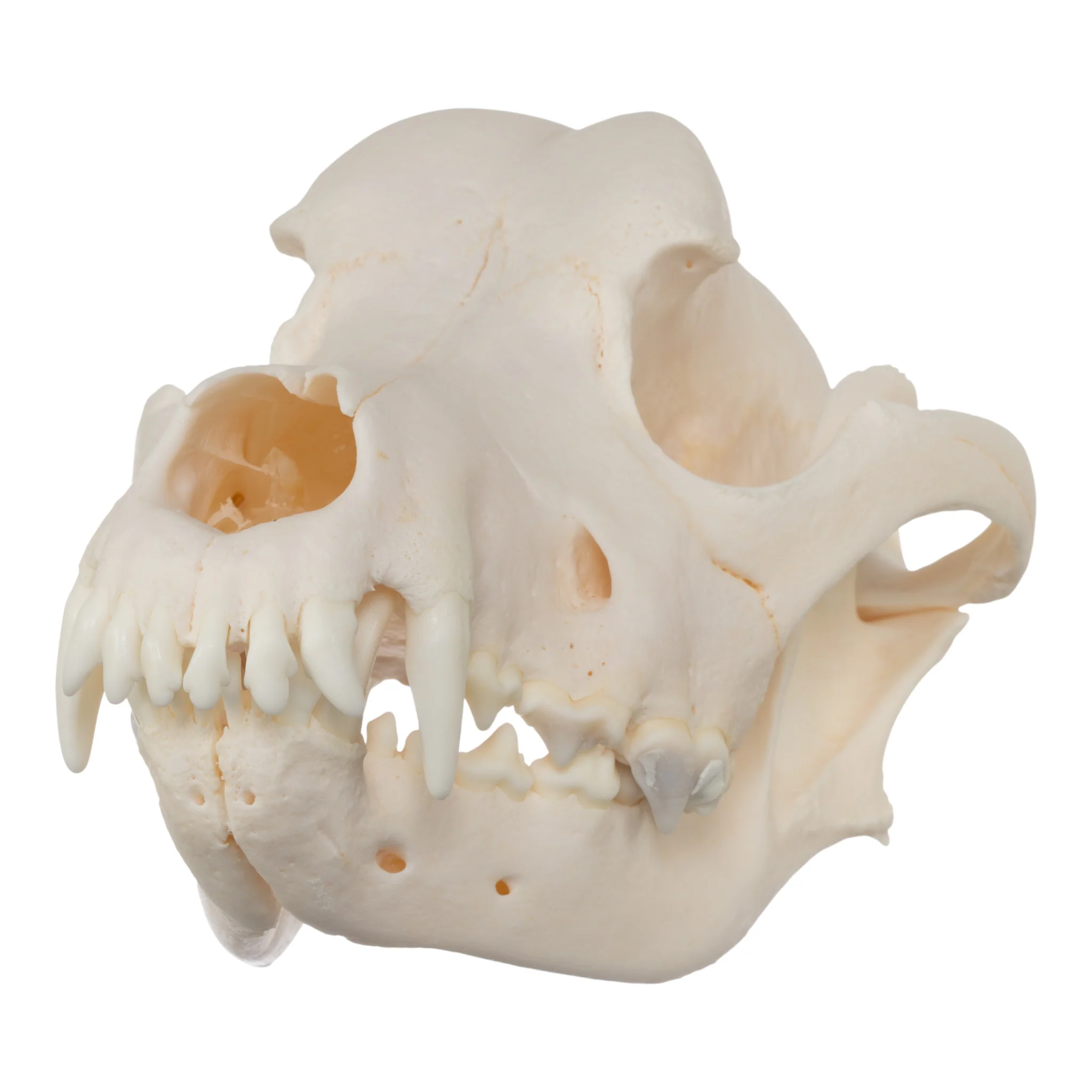
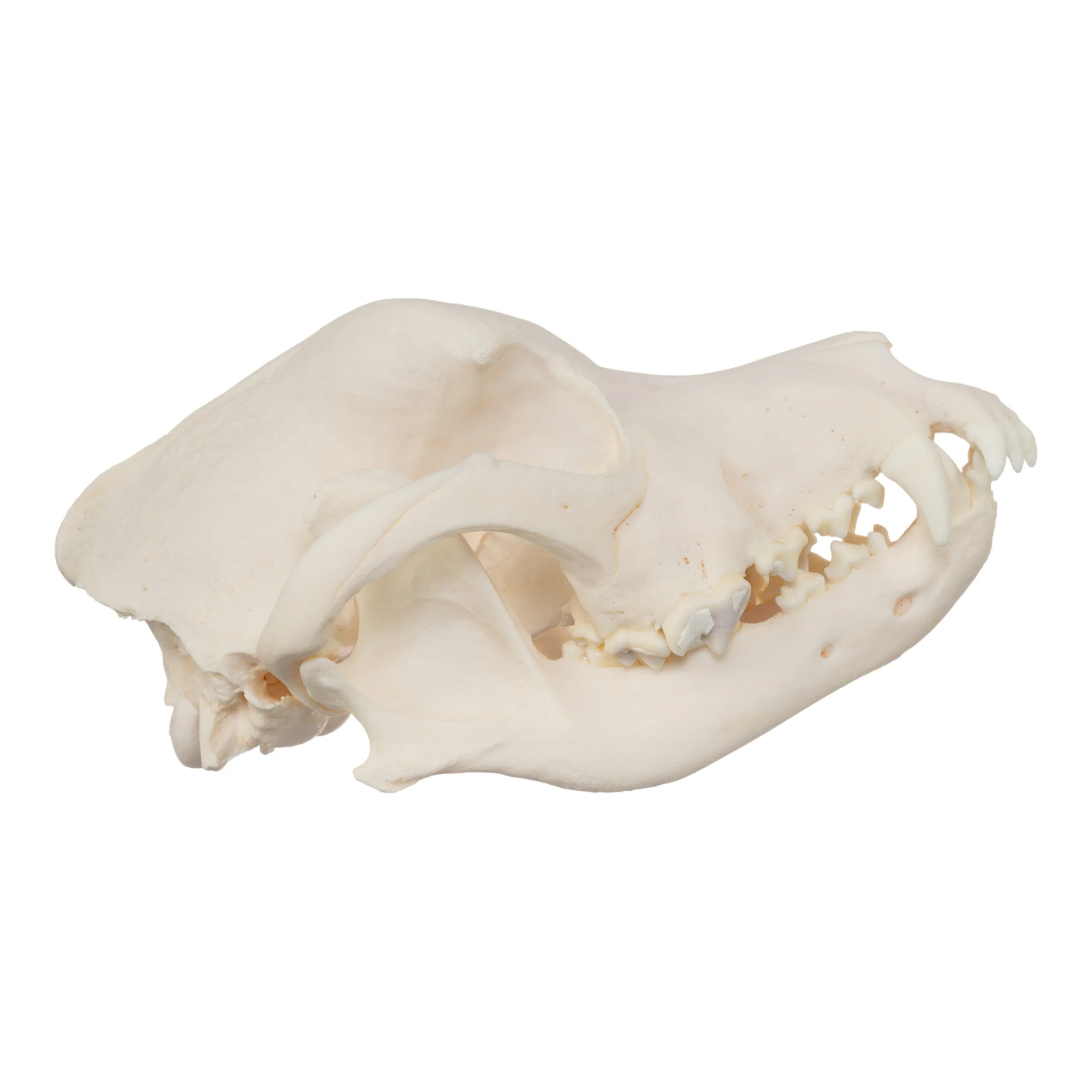
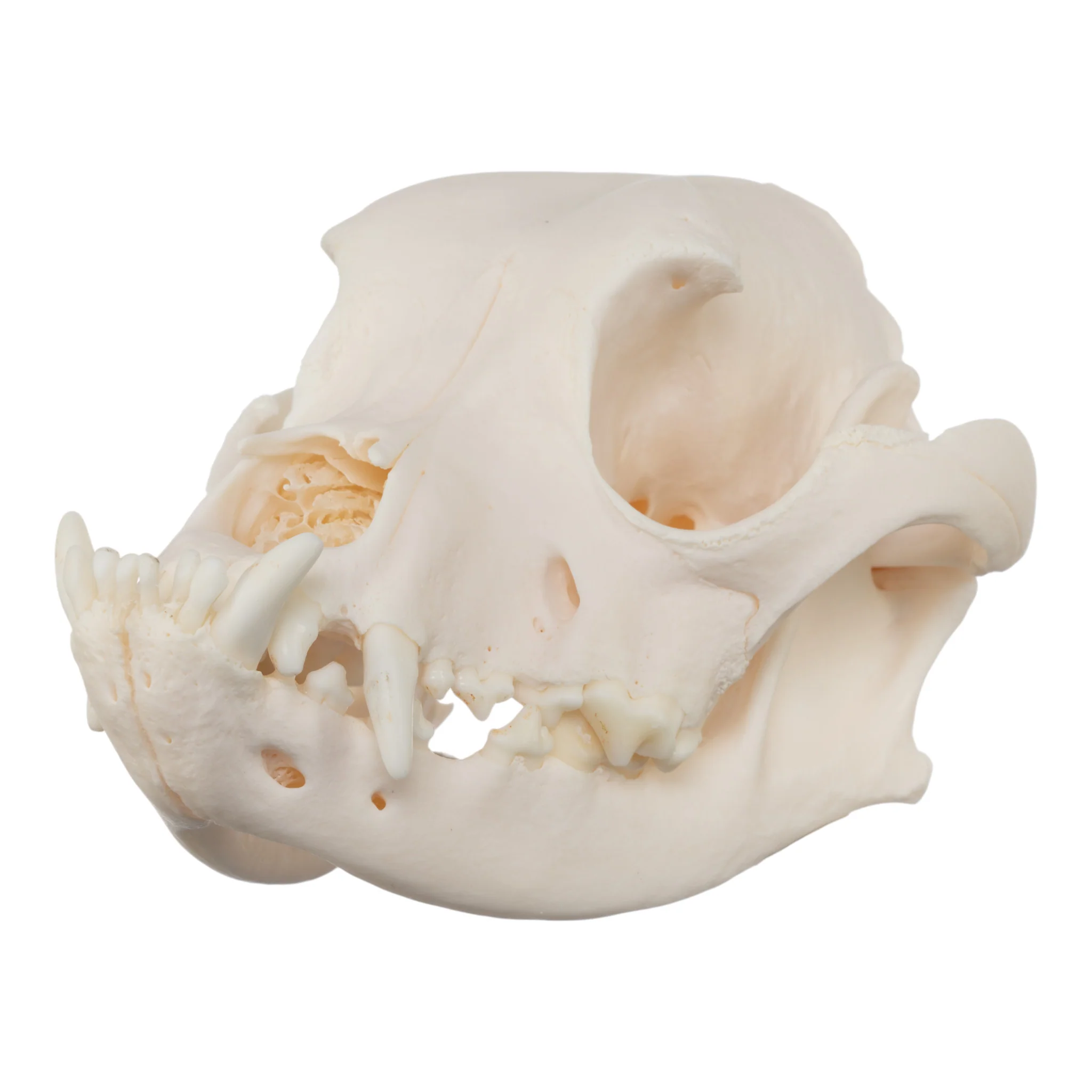
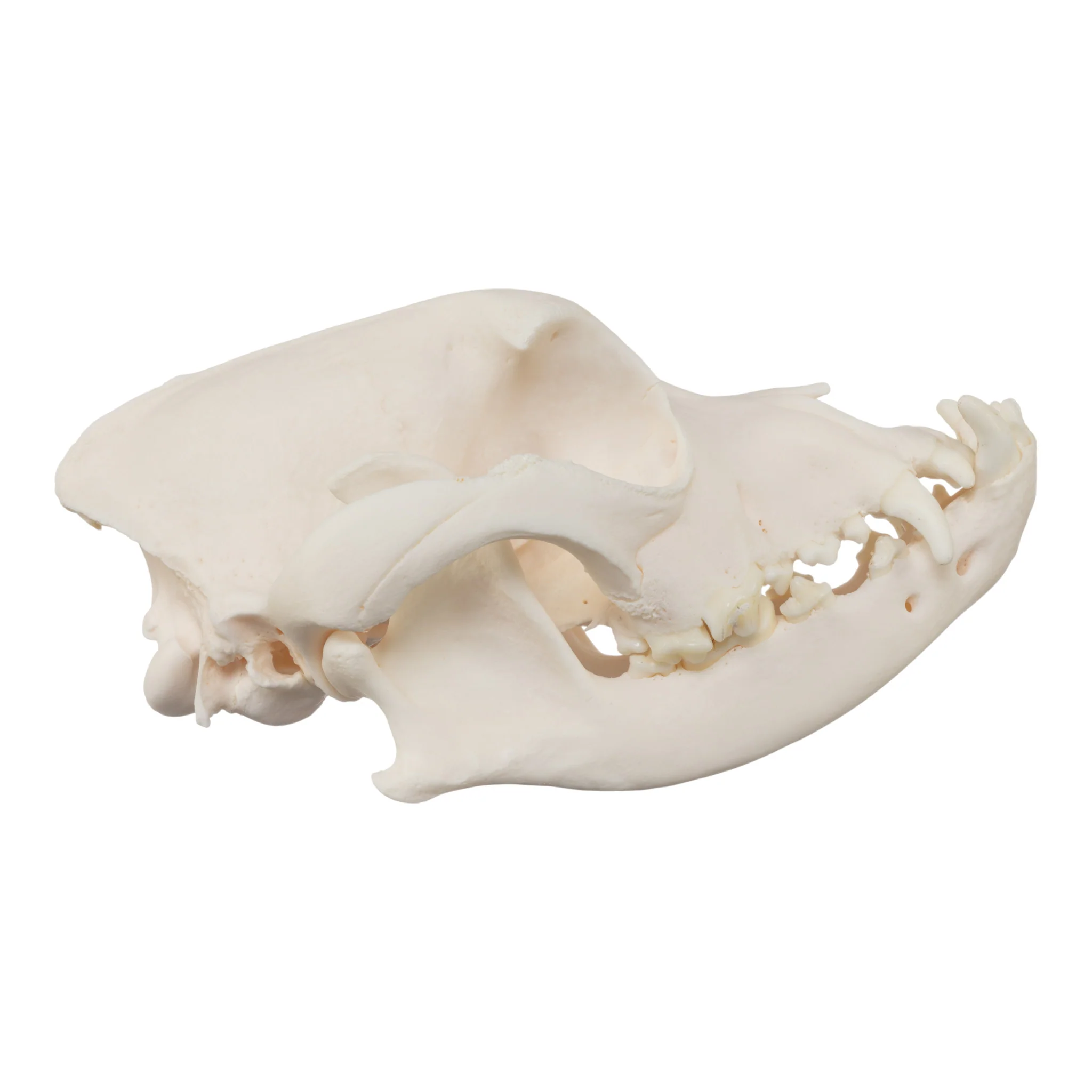
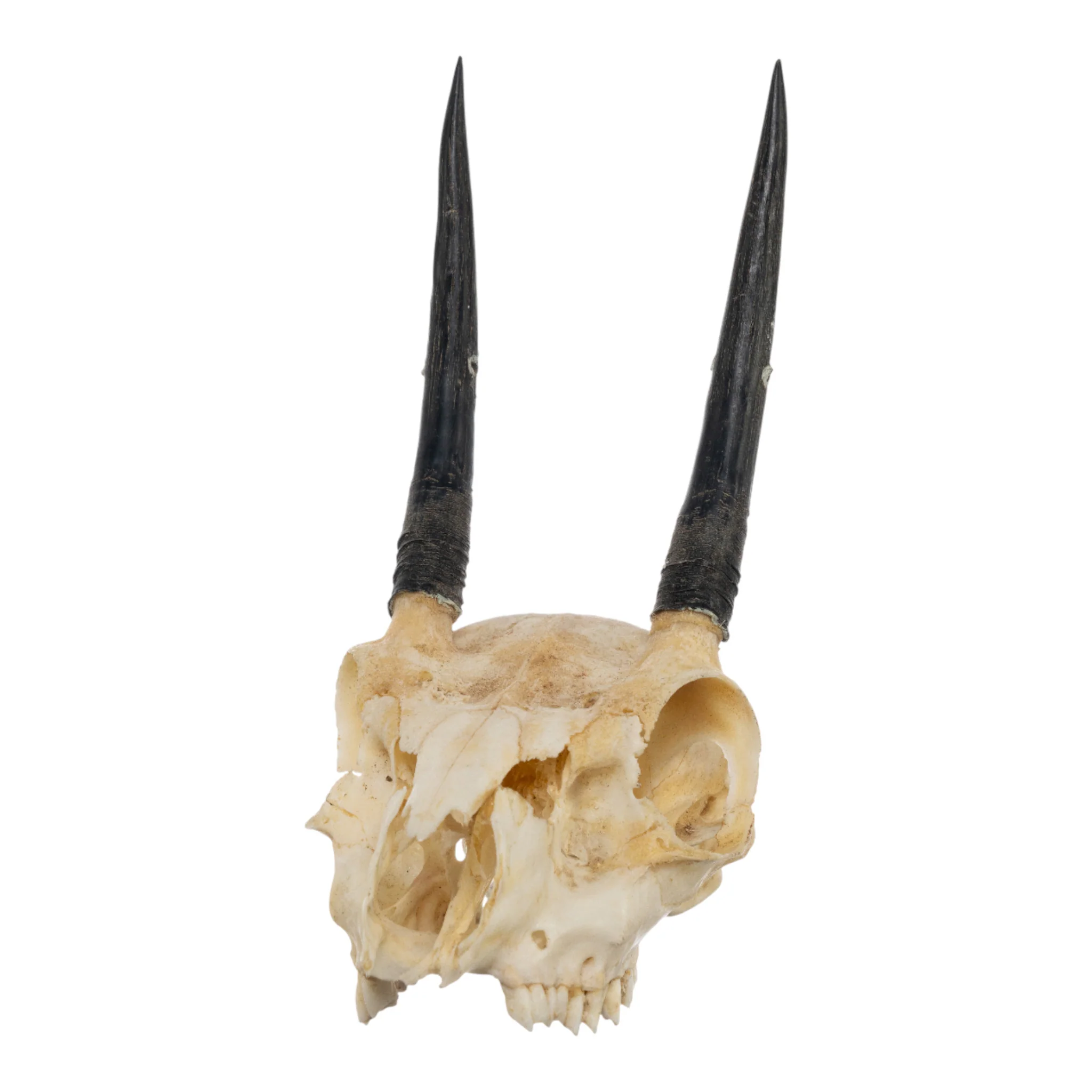
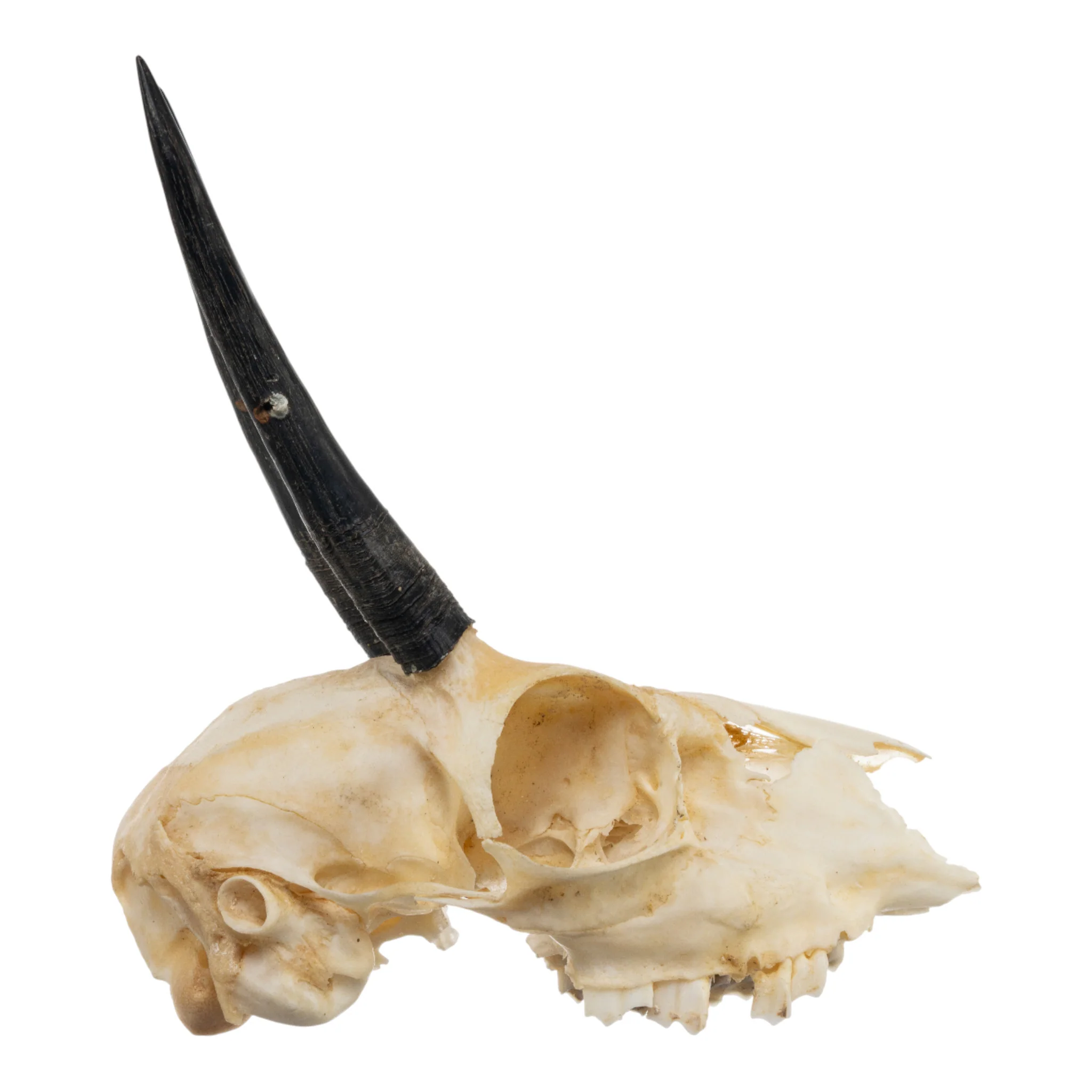
- Exhibits pathology on the maxilla and mandible
- Naturally missing the upper left canine and premolars
- Skull Length 11.2 cm (4.4 in)
- Skull Width 7.6 cm (3 in)
- Skull Height 6 cm (2.4 in)
The domestic cat is a small, carnivorous mammal that has been a companion to humans for thousands of years. Known for their agility, curiosity, and independent nature, cats are skilled hunters that use their sharp claws and keen senses to catch prey. While they are often kept as pets for companionship, they also play a role in controlling rodent populations.
- Exhibits pathology on the maxilla and mandible
- Naturally missing the upper left canine and premolars
- Skull Length 11.2 cm (4.4 in)
- Skull Width 7.6 cm (3 in)
- Skull Height 6 cm (2.4 in)
Description
The domestic cat is a small, carnivorous mammal that has been a companion to humans for thousands of years. Known for their agility, curiosity, and independent nature, cats are skilled hunters that use their sharp claws and keen senses to catch prey. While they are often kept as pets for companionship, they also play a role in controlling rodent populations.
- Exhibits pathology on the maxilla and mandible
- Naturally missing the upper left canine and premolars
- Skull Length 11.2 cm (4.4 in)
- Skull Width 7.6 cm (3 in)
- Skull Height 6 cm (2.4 in)