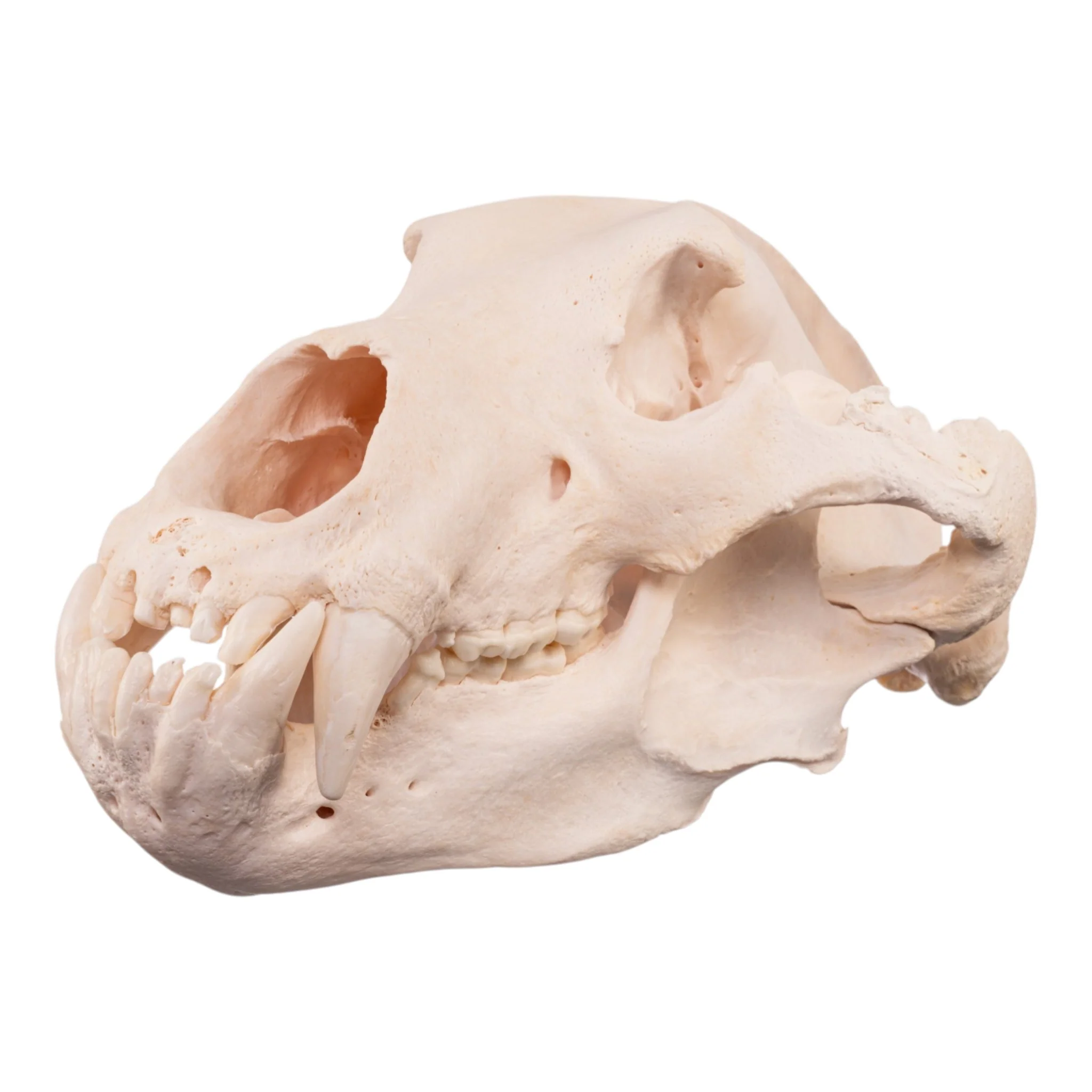
Real Kodiak Grizzly Bear Skull
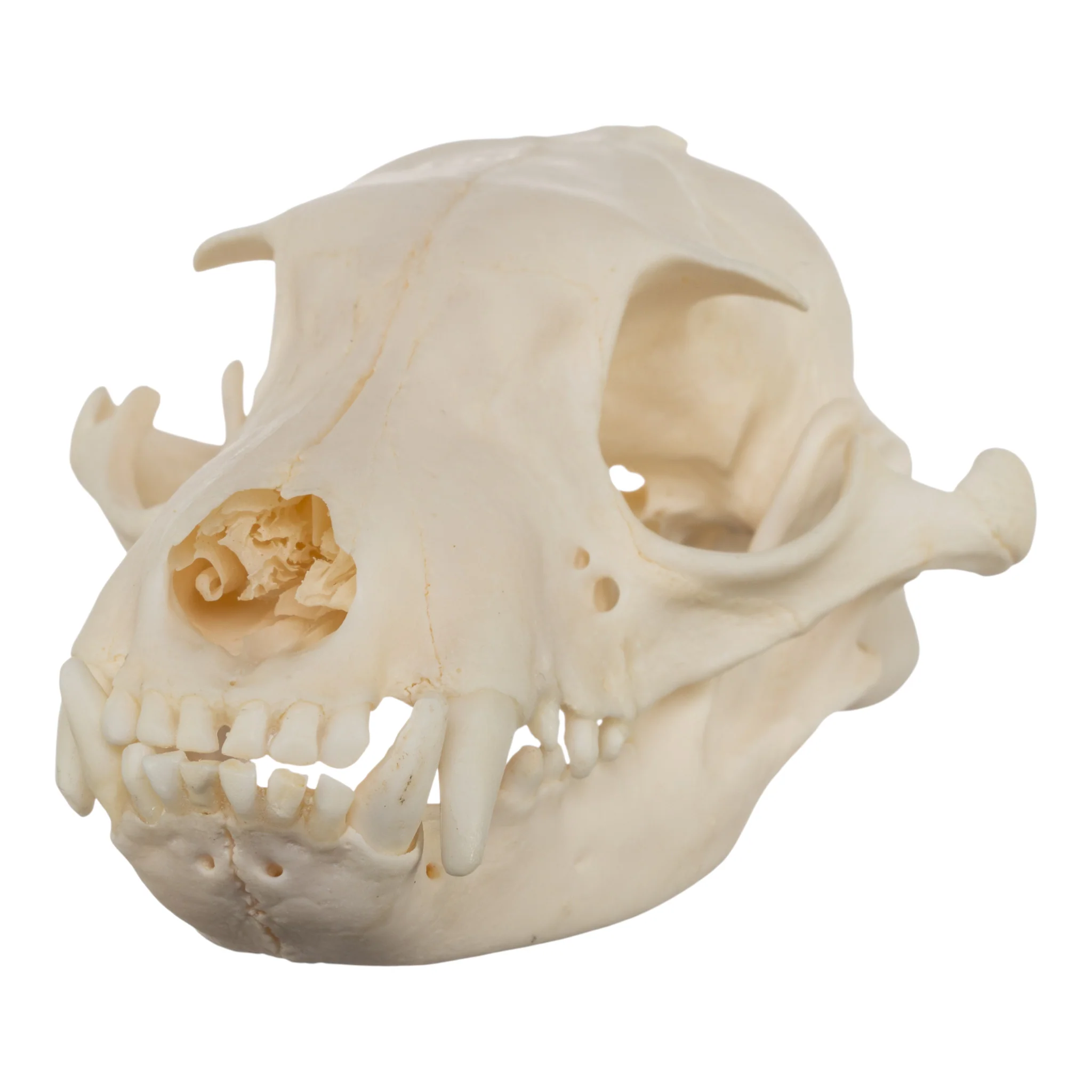
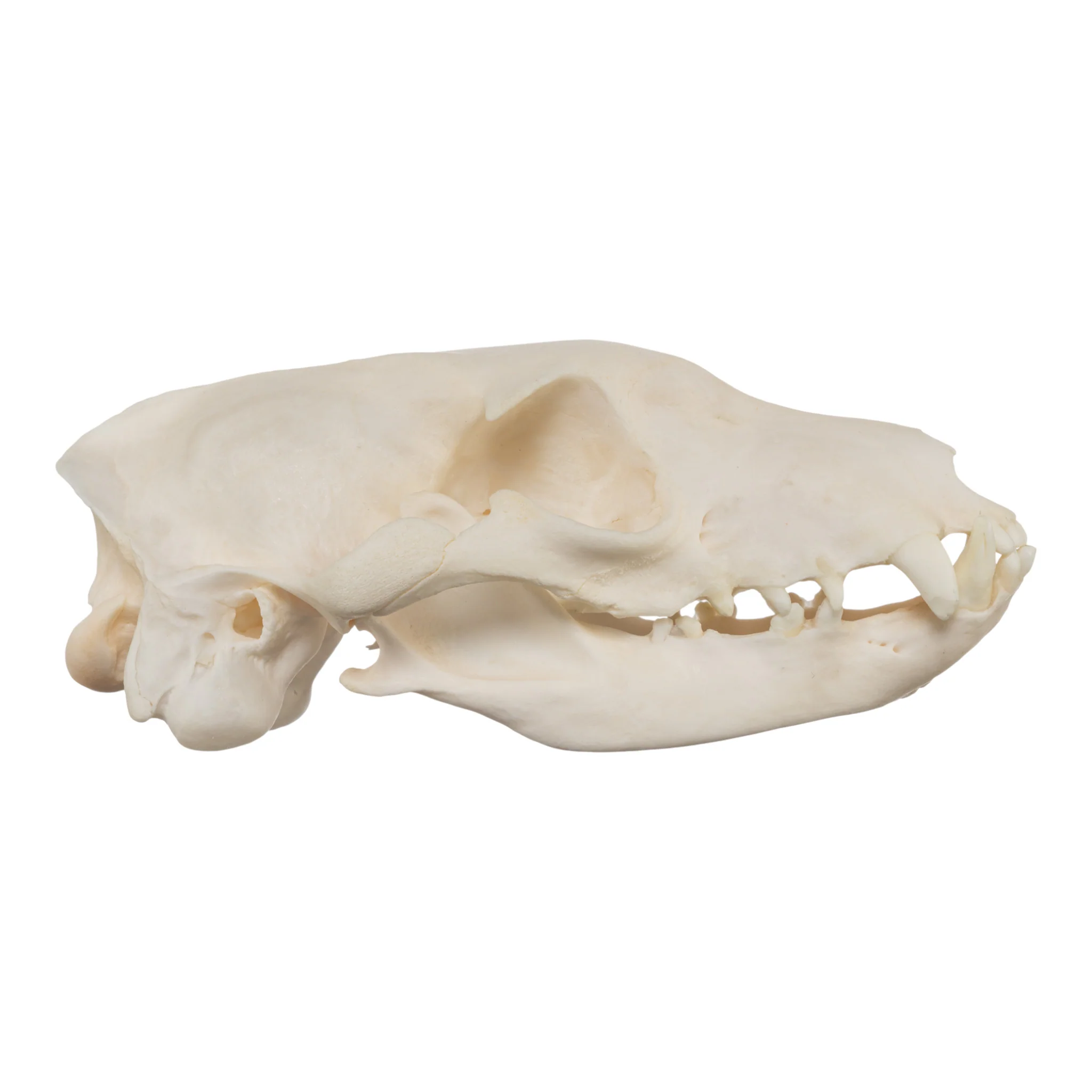
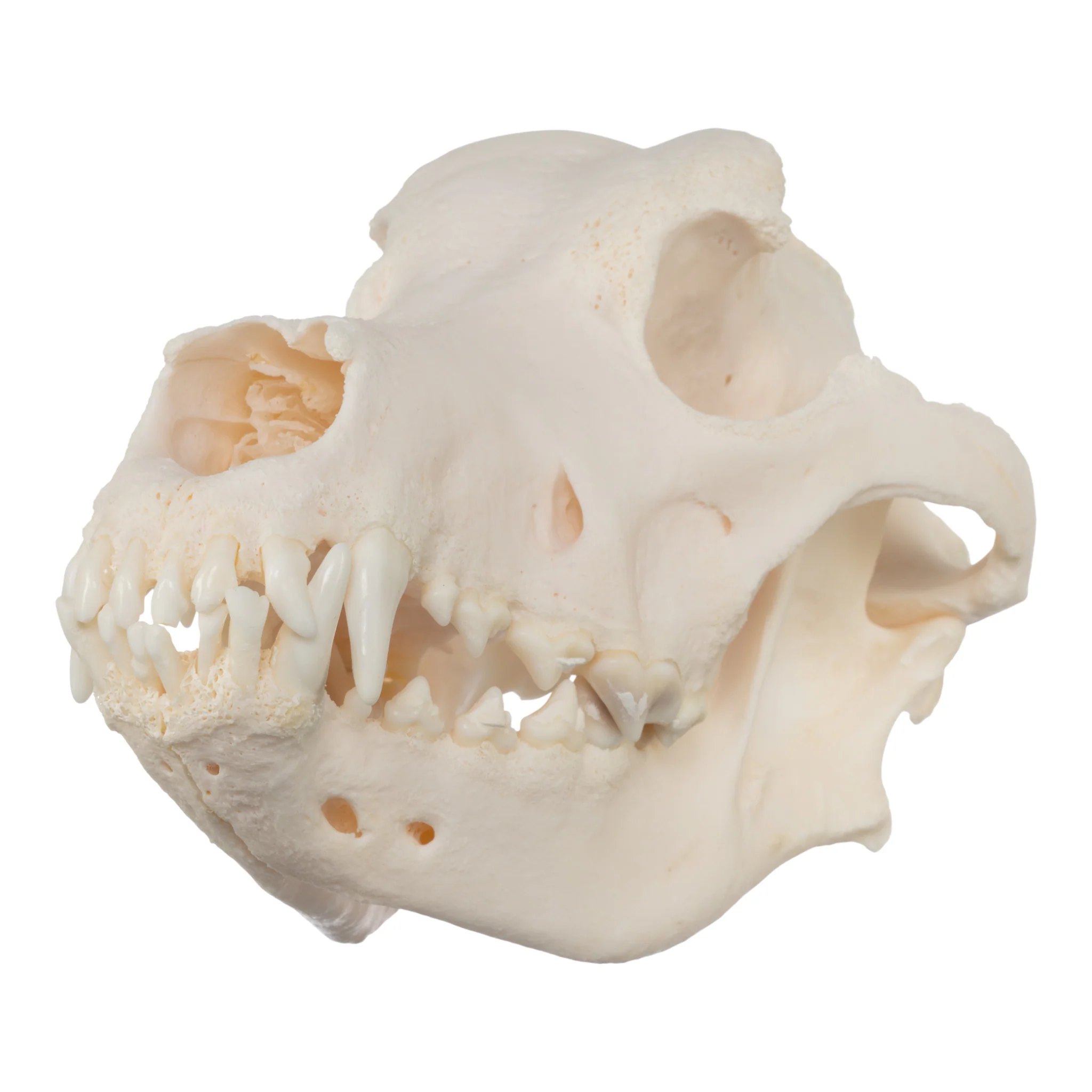
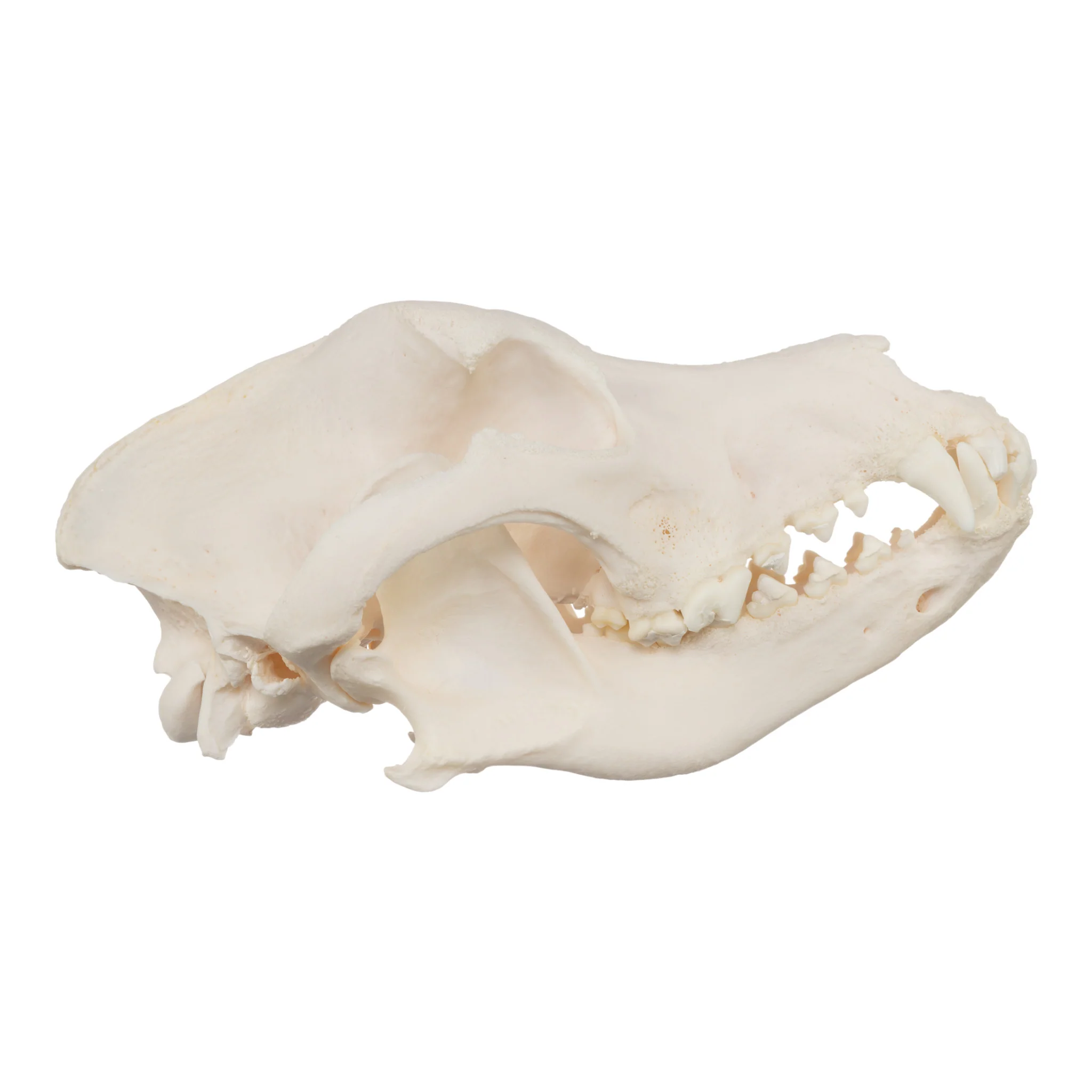
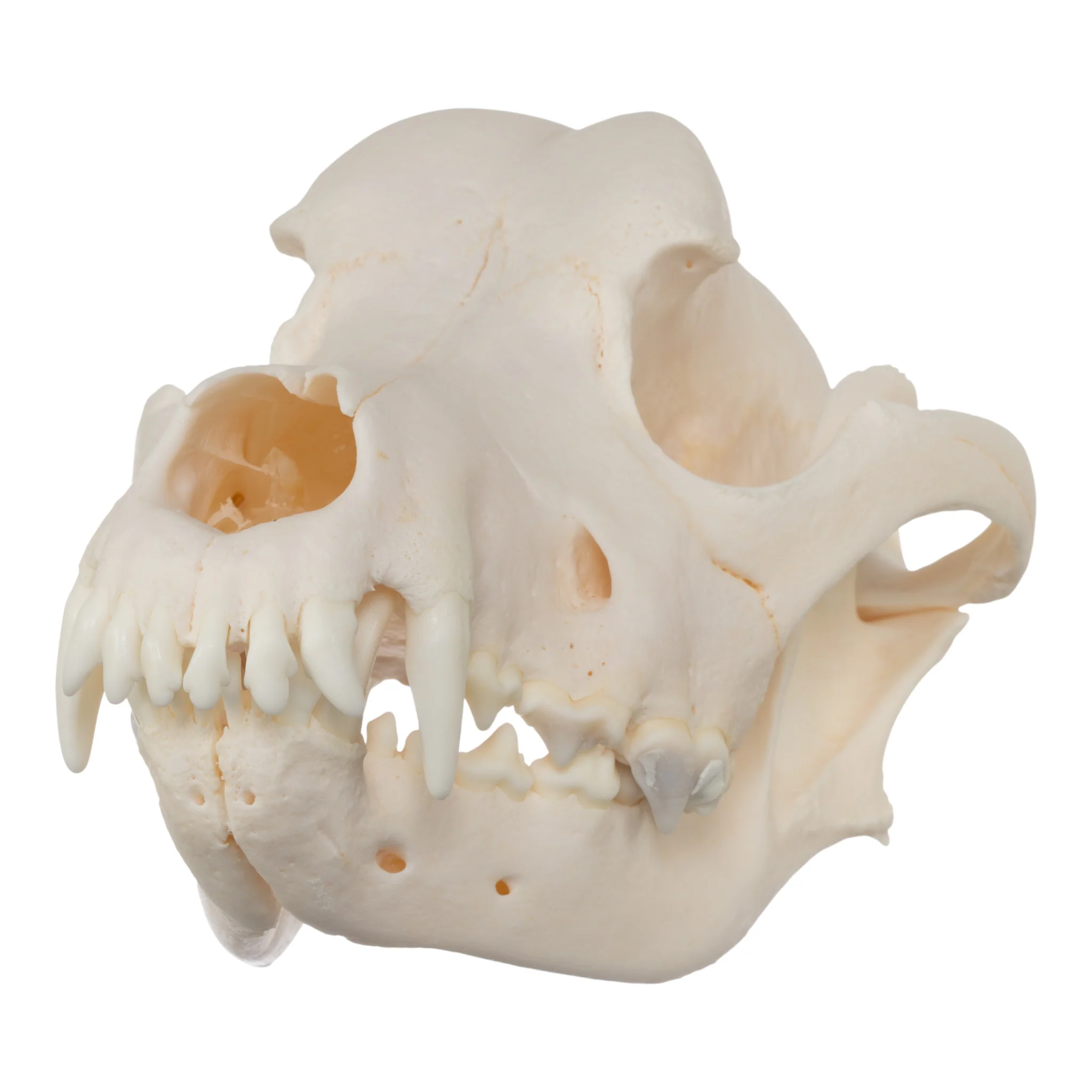
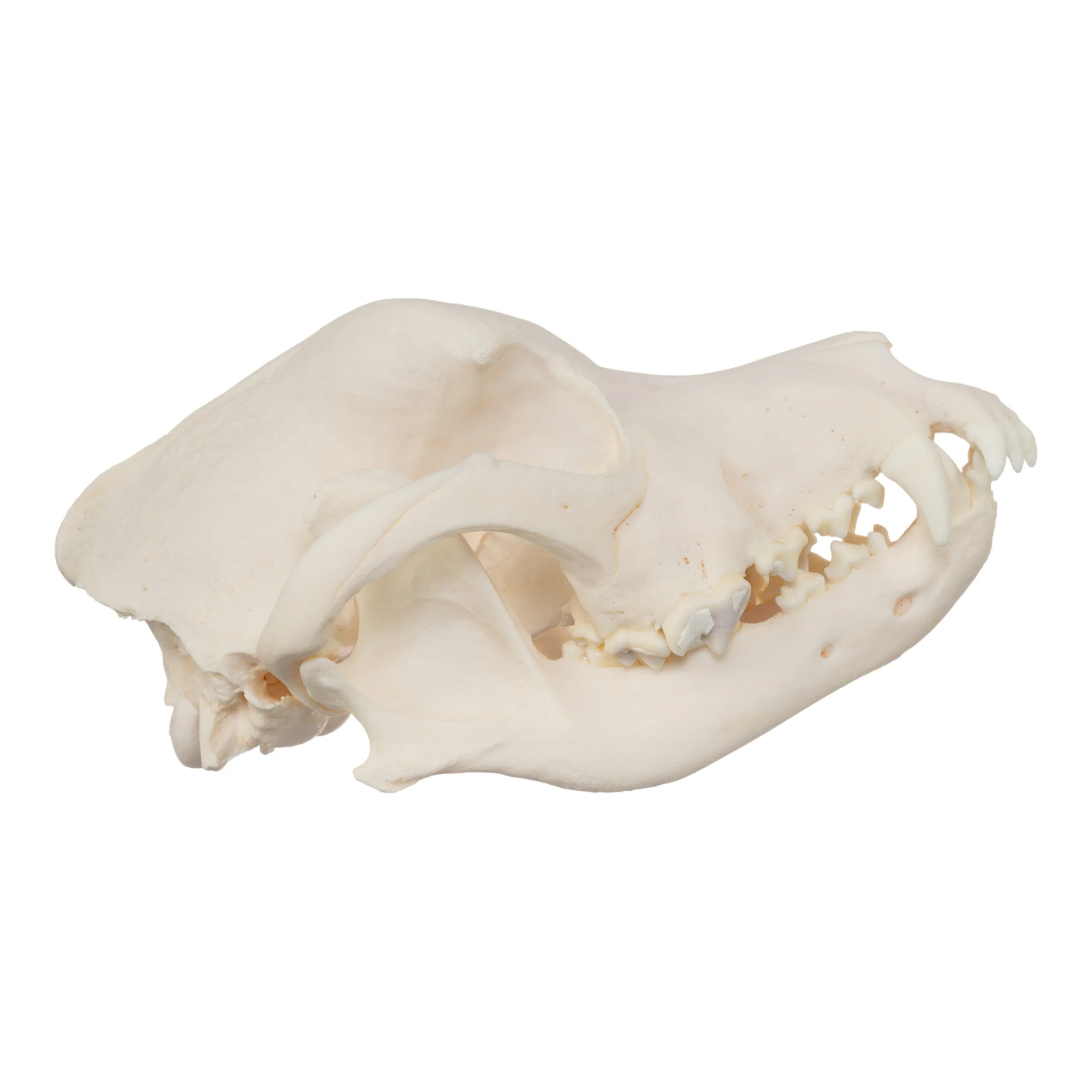
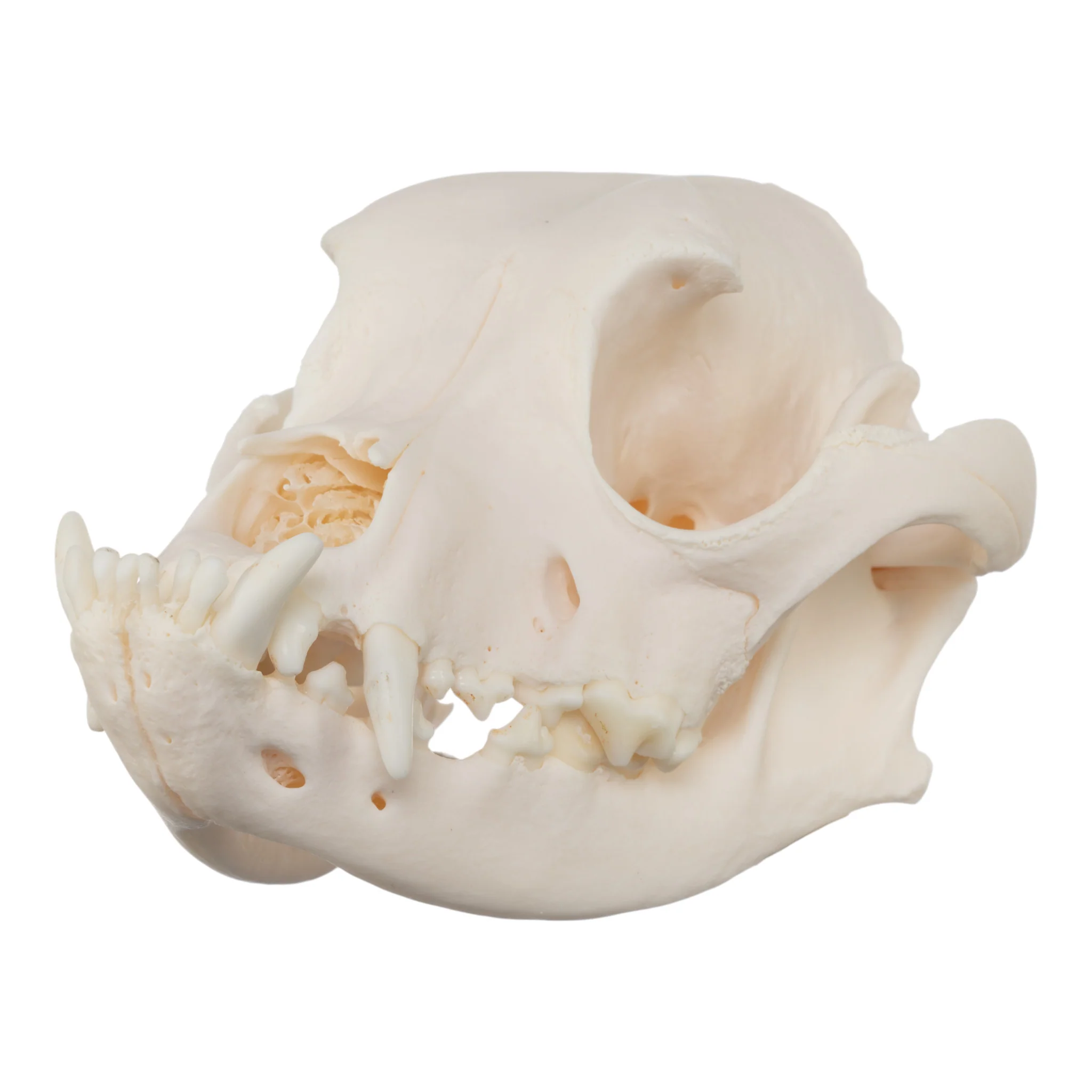
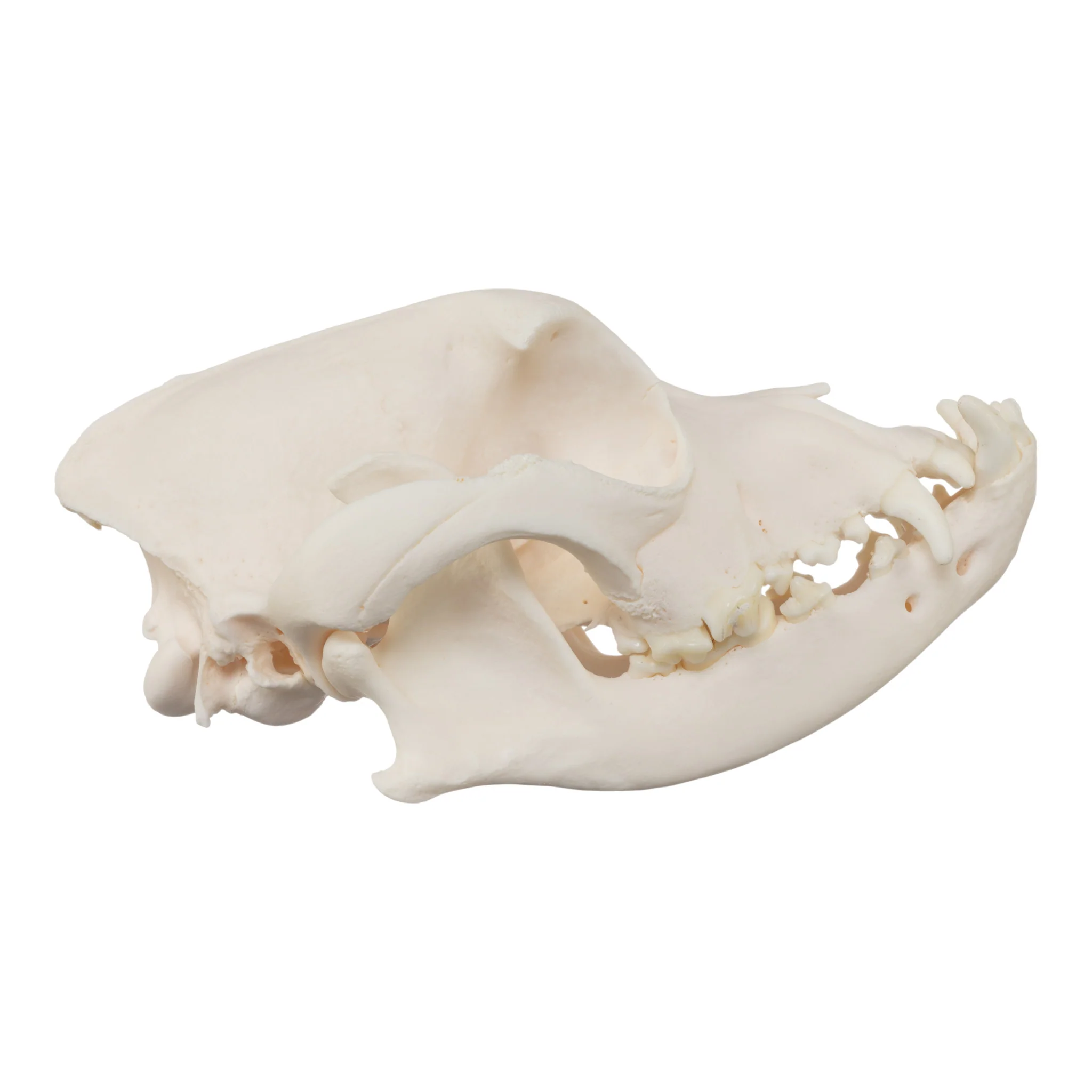
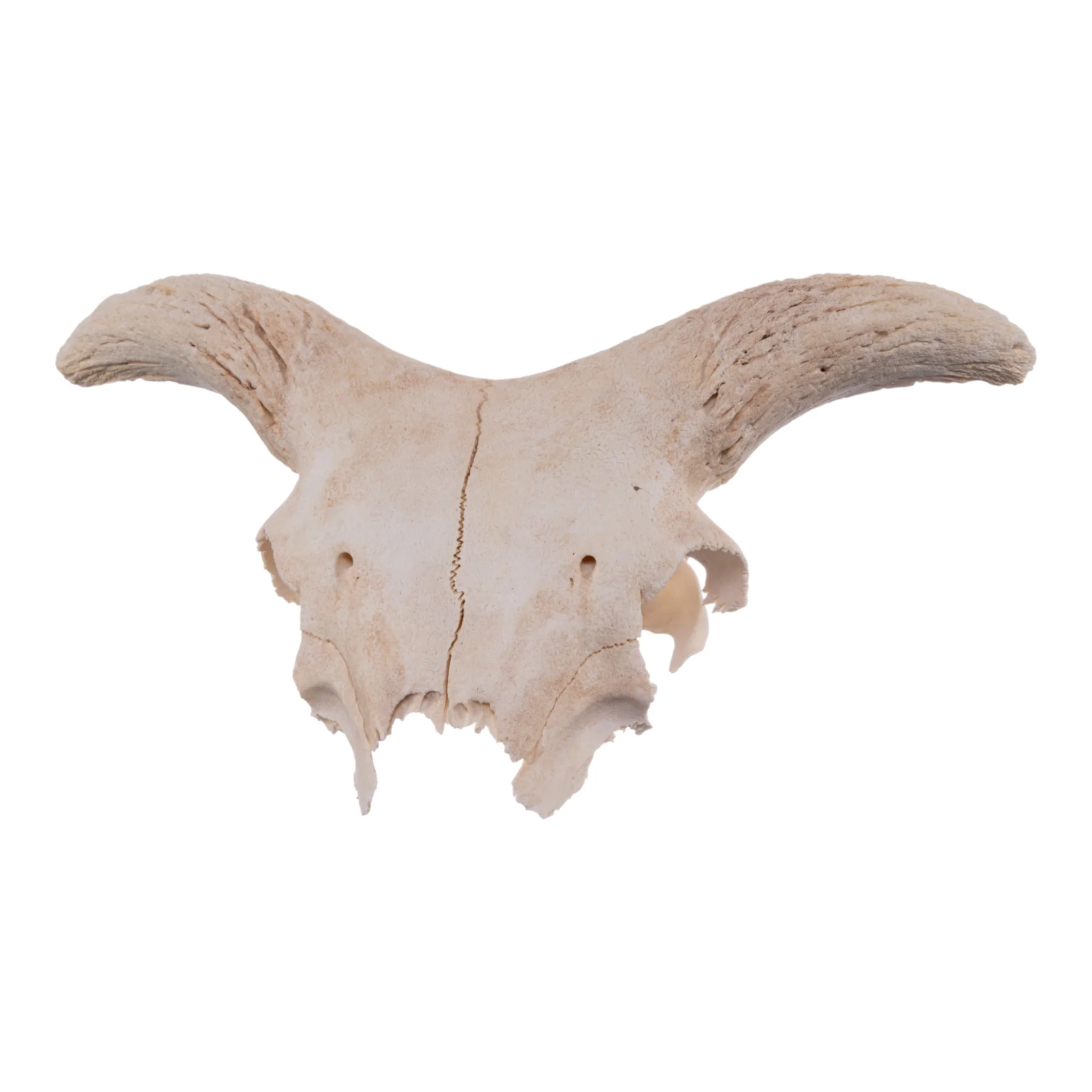
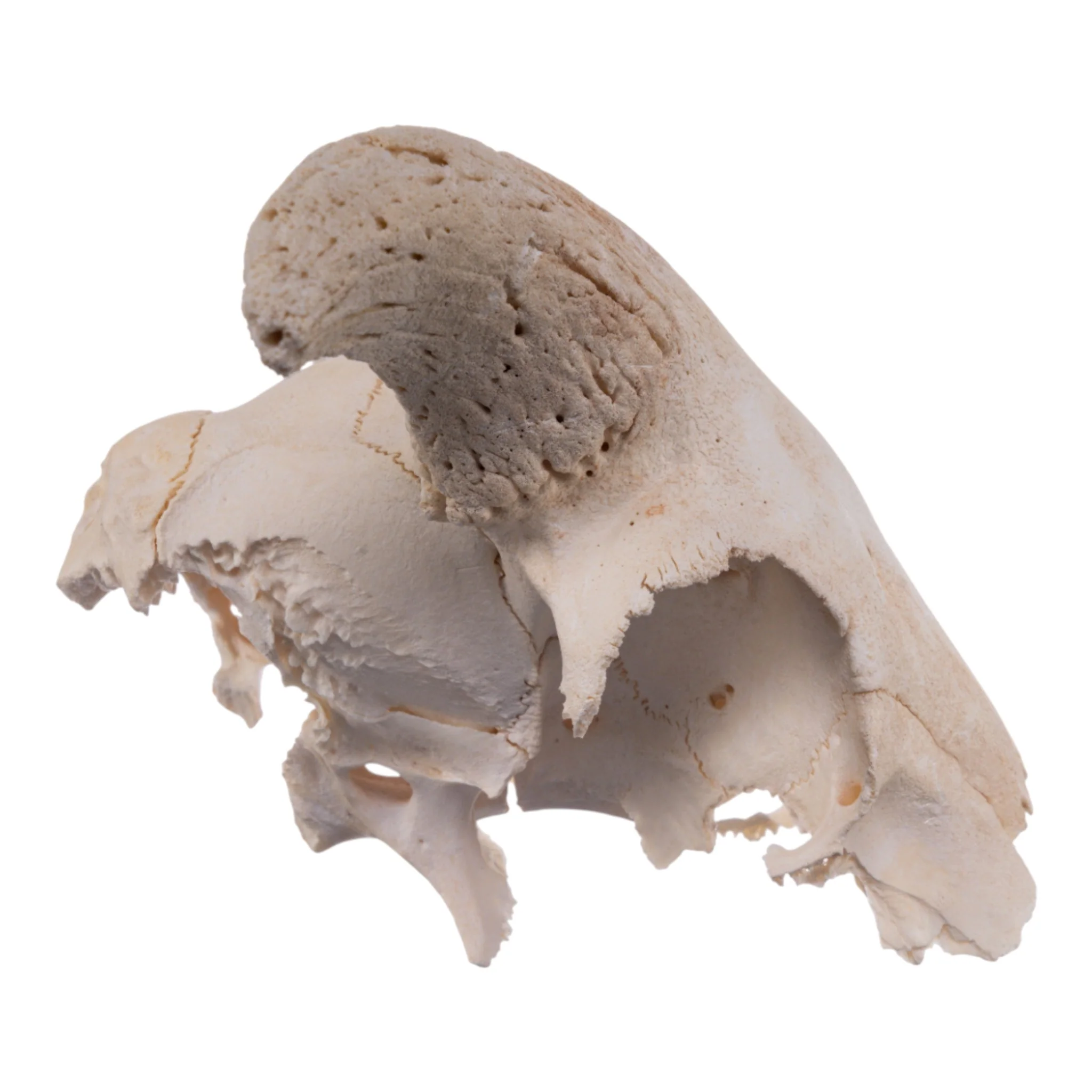
The Kodiak grizzly skull displays the powerful cranial structure typical of large bears, with a broad cranium and pronounced sagittal crest that provide extensive attachment sites for strong jaw muscles. Large, curved canines are adapted for grasping and tearing, while the robust premolars and molars are built for crushing and grinding. The heavy bone structure and wide zygomatic arches reflect the immense bite strength and feeding versatility characteristic of this massive bear.
The Kodiak bear, Ursus arctos middendorffi, also known as the Alaskan brown bear, inhabits the islands of the Kodiak Archipelago in southwest Alaska. It is the largest recognized subspecies of brown bear, and one of the two largest bears alive today, the
- Presents with evidence of periodontal disease
- Skull Length 47 cm (18.5 in)
- Skull Width 27.2 cm (10.7 in)
- Skull Height 20.8 cm (8.2 in)
The Kodiak grizzly skull displays the powerful cranial structure typical of large bears, with a broad cranium and pronounced sagittal crest that provide extensive attachment sites for strong jaw muscles. Large, curved canines are adapted for grasping and tearing, while the robust premolars and molars are built for crushing and grinding. The heavy bone structure and wide zygomatic arches reflect the immense bite strength and feeding versatility characteristic of this massive bear.
The Kodiak bear, Ursus arctos middendorffi, also known as the Alaskan brown bear, inhabits the islands of the Kodiak Archipelago in southwest Alaska. It is the largest recognized subspecies of brown bear, and one of the two largest bears alive today, the
- Presents with evidence of periodontal disease
- Skull Length 47 cm (18.5 in)
- Skull Width 27.2 cm (10.7 in)
- Skull Height 20.8 cm (8.2 in)
Original: $1,900.00
-65%$1,900.00
$665.00Description
The Kodiak grizzly skull displays the powerful cranial structure typical of large bears, with a broad cranium and pronounced sagittal crest that provide extensive attachment sites for strong jaw muscles. Large, curved canines are adapted for grasping and tearing, while the robust premolars and molars are built for crushing and grinding. The heavy bone structure and wide zygomatic arches reflect the immense bite strength and feeding versatility characteristic of this massive bear.
The Kodiak bear, Ursus arctos middendorffi, also known as the Alaskan brown bear, inhabits the islands of the Kodiak Archipelago in southwest Alaska. It is the largest recognized subspecies of brown bear, and one of the two largest bears alive today, the
- Presents with evidence of periodontal disease
- Skull Length 47 cm (18.5 in)
- Skull Width 27.2 cm (10.7 in)
- Skull Height 20.8 cm (8.2 in)